

Backyard Trampoline Design Trends for Families
October 26, 2026
A Practical Trampoline Maintenance Schedule
October 30, 2026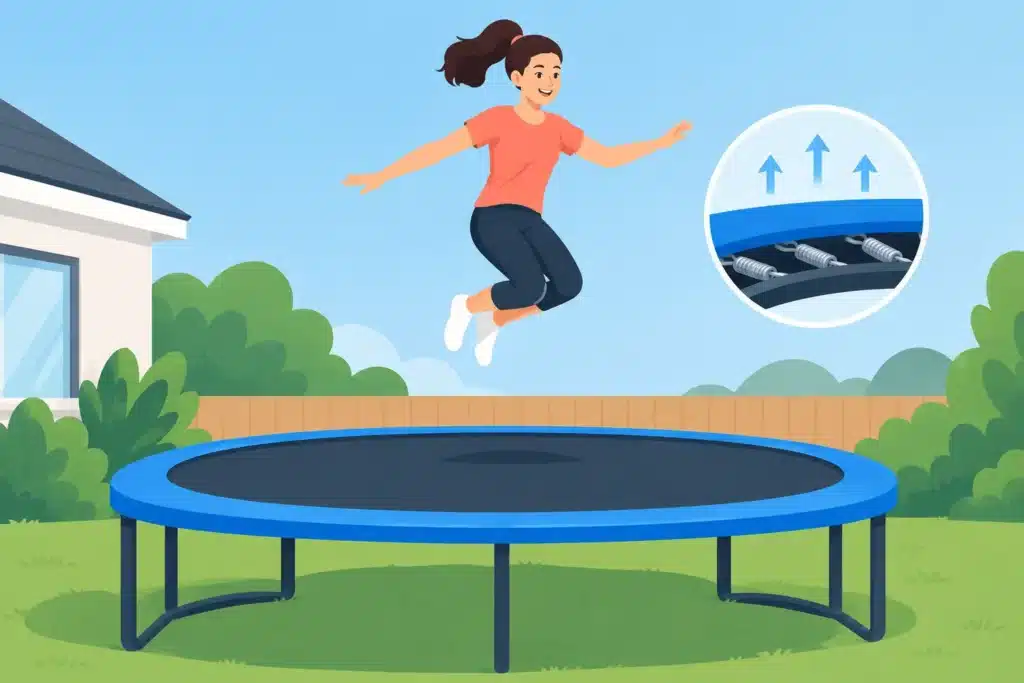
A trampoline that once sent kids soaring can start to feel noticeably flat after a few busy seasons. Before you assume it is time to replace the entire system, look closely at the parts that create lift. Knowing how to improve trampoline bounce starts with proper maintenance, correct installation, and a safety-first approach to replacement parts.
For families who chose an in-ground trampoline for its clean backyard look and dependable everyday use, a strong, responsive bounce is part of the experience. The goal is not to make the trampoline excessively springy. It is to restore the controlled, comfortable performance that helps kids, teens, and adults enjoy active outdoor play with confidence.
Start With the Jumping Mat
The jumping mat is the surface that transfers a jumper’s energy into the springs or rods. If it is stretched out, damaged, or weakened by years of sun exposure, the trampoline may feel sluggish even when the frame and springs appear fine.
Walk around the trampoline and inspect the mat in bright daylight. Look for frayed stitching, holes, thinning fabric, pulled V-rings, or areas that feel soft compared with the rest of the bed. A small tear can quickly become a larger safety problem, especially when several children use the trampoline regularly.
Dirt can also affect performance more than many homeowners expect. Leaves, pollen, grass clippings, and standing water add weight and hold moisture against the fabric. Sweep the mat gently and rinse it with water when needed. Avoid harsh chemicals, stiff brushes, and pressure washers, which can damage the fibers and protective coating.
If the mat has lost its strength, replacing it with a model-specific, properly fitted jumping mat is the best answer. A generic mat that does not match the frame dimensions, spring count, and attachment pattern can create uneven tension. That may reduce bounce and compromise the way the system is designed to perform.
Check Springs, Rods, and Attachment Points
Springs or flexible rods do the real work of creating bounce. Over time, they can lose tension, corrode, bend, or become damaged at the hooks and connection points. One weak spring may not be obvious, but several tired springs can make an otherwise premium trampoline feel flat.
Remove the safety padding only after confirming that no one will be using the trampoline during your inspection. Check every spring for rust, stretching, gaps in the coils, sharp edges, or a hook that is no longer securely seated. On rod-based systems, look for cracks, splitting, warping, or loose fittings.
Do not try to improve performance by adding random springs, mixing spring lengths, or pulling springs tighter than the manufacturer intended. More tension is not automatically better. It can place uneven force on the frame and mat, create an unpredictable bounce, and increase the chance of component failure.
When replacement is needed, replace damaged parts with compatible components made for your specific trampoline system. If several springs show corrosion or loss of tension, replacing the full set usually provides a more balanced result than changing only a few. It also helps every area of the mat respond consistently when a child lands near the edge.
Keep the Frame Stable and Level
A trampoline needs a strong, level frame to deliver its intended bounce. With an above-ground trampoline, check that every leg is firmly planted and that the ground beneath it has not settled. A frame that rocks, twists, or sits unevenly wastes energy and can strain the springs.
For an in-ground trampoline, the frame should remain level with the surrounding landscape and properly supported around the perimeter. Soil movement, erosion, or settling near the excavation can affect alignment over time. If one side of the frame appears lower, or if the mat is no longer centered, pause use until the cause is identified.
Premium galvanized steel frames are built to resist rust and support years of family use, but they still deserve seasonal attention. Inspect welds, joints, bolts, and frame connections for corrosion, cracks, or movement. Tighten hardware only according to the manufacturer’s guidance. Over-tightening can be just as problematic as leaving connections loose.
In-Ground Drainage Can Affect Trampoline Bounce
For in-ground systems, what happens beneath the trampoline matters as much as what happens above it. A well-planned pit allows air to move beneath the jumping mat and directs water away from the structure. When the pit is wet, blocked, or packed with debris, bounce can feel dull because air cannot circulate freely under the bed.
After heavy rain, check the area beneath the trampoline for standing water, mud buildup, or wet leaves. Clear debris from drainage channels and make sure the drainage system is still moving water away from the excavation. Persistent water should be addressed quickly, since moisture can accelerate corrosion and weaken the soil around the frame.
Adequate airflow is also essential. As a jumper lands, air needs room to escape beneath the mat. If the pit has been filled with landscaping debris, storage items, or loose soil, the mat may feel resistant and less responsive. Keep the space below the trampoline clean and configured as the installation plan requires.
This is one reason professional planning pays off with an in-ground trampoline. The excavation depth, retaining approach, drainage, and air movement all work together to support performance, safety, and long-term durability.
Use Weather Protection to Preserve Performance
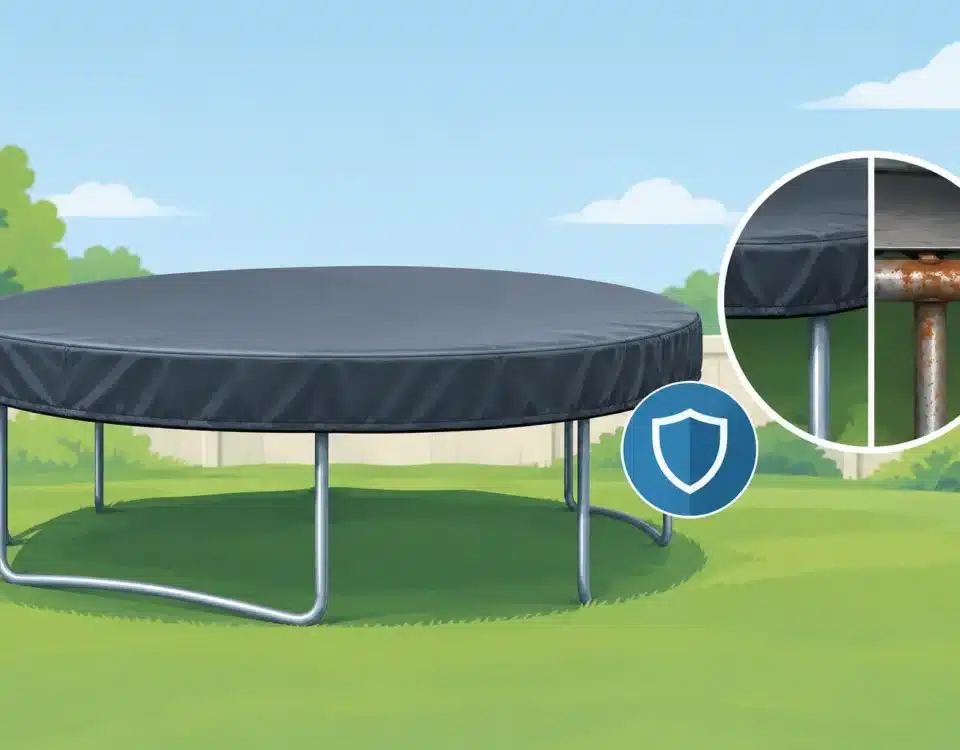
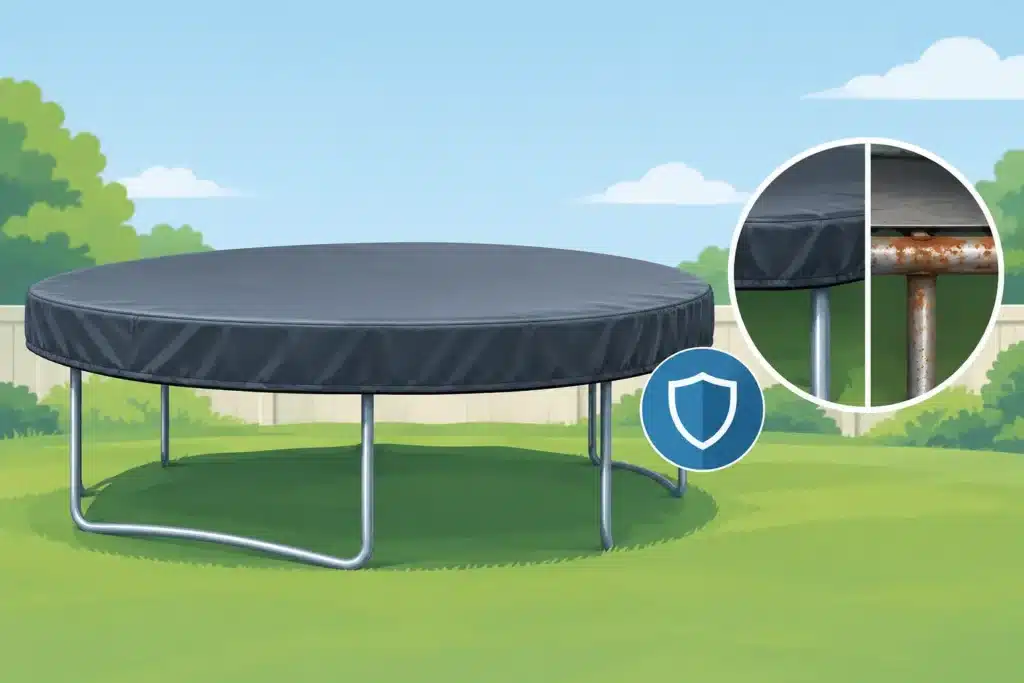
Sun, rain, snow, and wind gradually wear on every outdoor trampoline. UV exposure can weaken the mat and padding, while moisture encourages rust on metal components. A weather cover helps protect your investment when the trampoline will not be used for an extended period.
Remove snow accumulation as soon as it is safe to do so. Heavy, wet snow can stretch the mat and overload springs or rods. After storms, inspect the safety enclosure, pads, and mat before allowing children back on. Windblown branches, pooled water, and hidden damage should never be ignored.
A cover is valuable, but it should not trap water against the trampoline. Use a cover designed for your trampoline’s size and shape, and follow its drainage and ventilation instructions. Families in areas with severe winter weather may also benefit from seasonal storage or winterization recommendations from the manufacturer.
Improve the Jumping Experience Without Chasing Extra Height
Sometimes the trampoline is in excellent condition, but it still does not feel as lively as expected. In that case, consider who is jumping and how they are using it. A 10-foot round trampoline is a wonderful fit for many younger children and compact yards, while a larger 12-foot or 14-foot model offers more usable jumping area for growing families. Rectangular formats can provide a more consistent bounce across the bed, making them a strong choice for active teens, skill practice, or households with frequent use.
Size, shape, and user weight all influence how a trampoline feels. A larger family may simply have outgrown a smaller trampoline. That does not mean the existing system is poor quality. It means the trampoline should match the household’s current needs, available yard space, and intended activity level.
Maintain the one-jumper-at-a-time rule, even on a large trampoline. Multiple jumpers can create unpredictable rebound, especially when a heavier jumper lands as a smaller child rises. A safety enclosure, well-fitted padding, and clear family rules protect the fun while helping the trampoline perform as designed.
When Replacement Is the Smarter Investment
There comes a point when replacing worn components is more sensible than trying to extend their life. Replace the mat if it is torn, brittle, badly faded, or pulling away from attachment points. Replace springs or rods if they are rusted, stretched, bent, or uneven. Replace worn safety pads and enclosure parts promptly, since these pieces protect jumpers from the frame and suspension system.
If the frame is cracked, severely corroded, or no longer level, stop using the trampoline and seek guidance before making repairs. A trampoline is a long-term backyard investment, and safety should always come before a few more weekends of use.
At Lets Buy Trampolines, the focus is on premium in-ground systems built with durable materials, galvanized frames, and safety-forward design. Choosing a quality trampoline from the beginning gives your family a better foundation for years of energetic outdoor play.
A responsive bounce is not created by one quick fix. It comes from a clean, well-supported mat, properly matched suspension parts, reliable drainage, and regular care. Give those details attention each season, and your backyard can stay ready for the kind of jumps, laughter, and active family memories that make a trampoline worth having.