

Are Rectangular Trampolines Better for Families?
October 20, 2026
How to Secure a Trampoline During Storms
October 24, 2026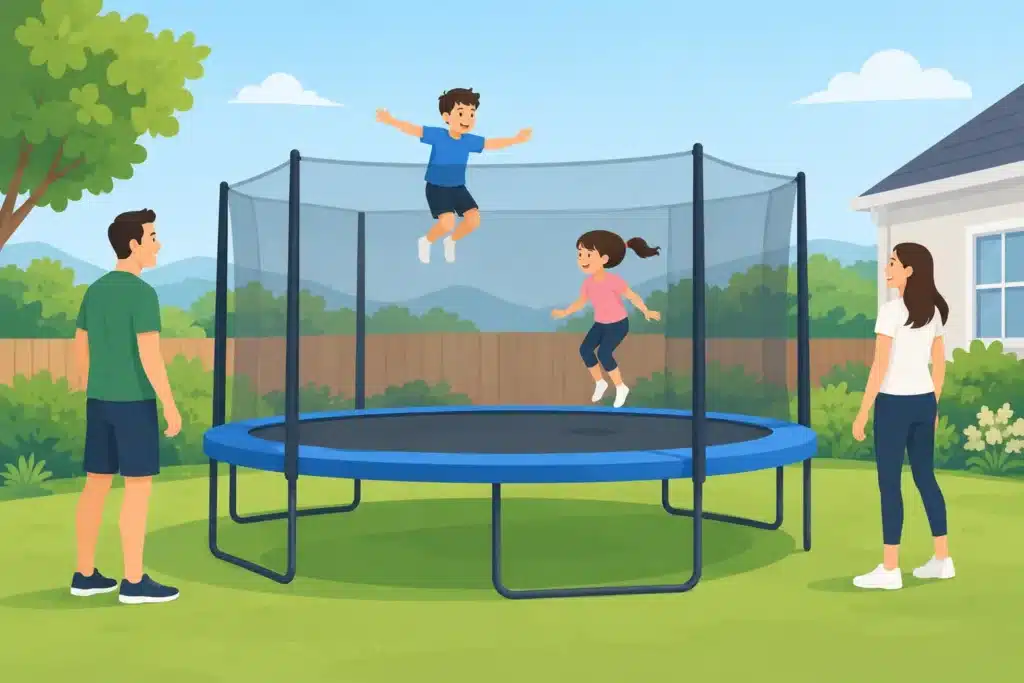
A trampoline should not take over the backyard to become the place your family spends the most time together. Capital Play trampolines are designed for homeowners who want active outdoor play, a more polished landscape, and a long-lasting recreation feature built around in-ground installation. When the jumping surface sits close to lawn level, the backyard feels more open while kids still get the thrill of a dedicated place to bounce, move, and burn energy.
For many families, this is not an impulse purchase. It is a decision about safety, yard design, installation planning, and how your children will use the trampoline as they grow. Choosing the right shape, size, enclosure, and protective accessories helps turn that investment into years of outdoor fun.
Why Capital Play Trampolines Stand Out
An in-ground trampoline offers a different backyard experience than a traditional above-ground model. The low-profile design creates a cleaner visual line across the yard and makes stepping onto the trampoline easier for younger jumpers. It can also feel more intentional, as though the trampoline belongs in the landscape rather than being placed on top of it.
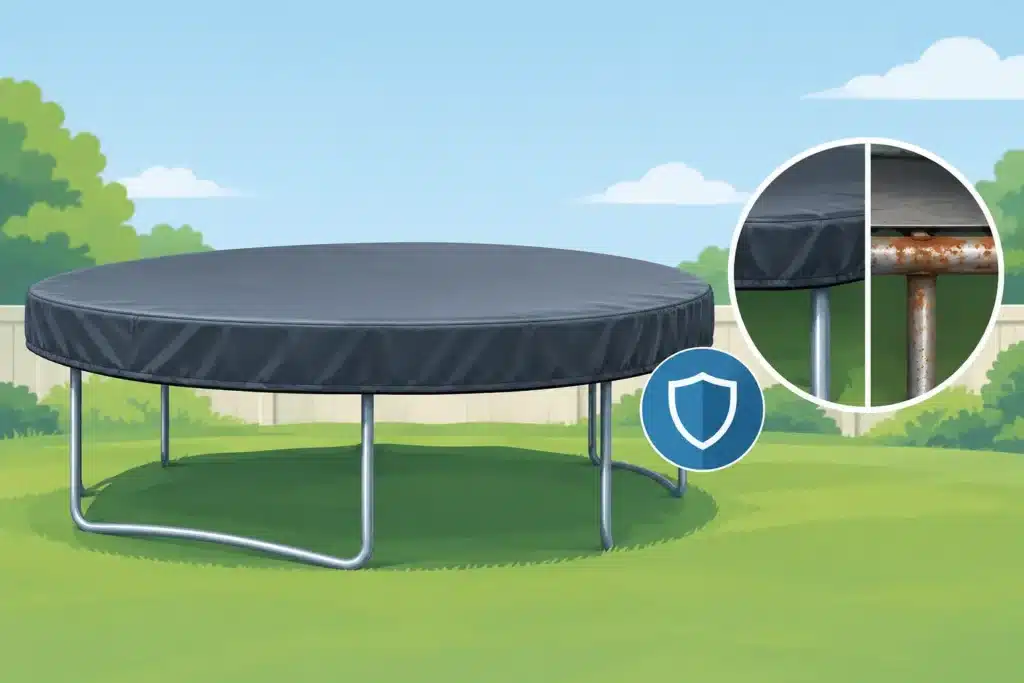
Capital Play systems are a strong choice for families looking for premium construction and a safety-focused setup. Durable galvanized steel frames help resist rust and outdoor wear, an essential consideration for equipment that will live through changing seasons. Quality materials matter because the frame, springs, mat, and enclosure all work together every time someone jumps.
The safety enclosure is equally important. An enclosure helps keep jumpers within the trampoline area during energetic play, giving parents more confidence when children are using it properly. It does not replace active supervision or good jumping habits, but it is a meaningful layer of protection for a busy family backyard.
There is also a practical benefit to buying a purpose-built in-ground system instead of trying to adapt a standard trampoline yourself. Proper airflow, drainage, frame support, and the surrounding installation area all affect long-term performance. A well-planned system protects your investment and helps the trampoline continue to look good after many seasons of use.
Choose a Shape That Matches How Your Family Plays
The best trampoline shape is not simply the largest one that fits. It should suit your available space, the number and ages of your jumpers, and the type of play your family expects.
Round trampolines are a popular choice for family use because their shape naturally directs jumpers toward the center. They work well for everyday bouncing, younger children, and backyards where a softer, more traditional trampoline footprint fits the landscape. A 10-foot round model can make sense for a smaller yard or a family that wants a dedicated activity zone without giving up too much lawn. Twelve-foot and 14-foot round options provide more jumping room for growing children and more active use.
Rectangular Capital Play trampolines are often preferred by families with older children, athletic jumpers, or a narrow backyard layout. The consistent bounce across a rectangular surface can support more focused practice and movement, while the straight sides can make better use of certain spaces. A 10-foot by 6-foot trampoline is a practical option where room is limited. An 11-foot by 8-foot format gives active families more space while maintaining a footprint that can work beautifully within a planned outdoor area.
Think beyond the trampoline measurements alone. You need room around the installation area for safe access, landscaping, maintenance, and comfortable movement through the yard. Consider nearby trees, fences, patios, irrigation lines, utility locations, drainage paths, and future projects such as a pool, fire pit, or garden. A trampoline can become a centerpiece of family life, but it should not create a cramped backyard.
Plan the In-Ground Installation Before You Buy
The installation is where an in-ground trampoline becomes a true backyard project. Excavation is required to create the pit below the jumping surface, and the area needs to be prepared carefully. The goal is not merely to make a hole that fits the trampoline. The excavation must support airflow beneath the mat, manage water properly, and provide a stable setting for the system.
Drainage deserves special attention. Rainwater that collects below the trampoline can create ongoing maintenance concerns and may affect the condition of the area over time. Your property’s soil type, slope, and local weather patterns all play a role. Some yards need more drainage planning than others, especially where the water table is high or heavy rain is common.
Before starting, identify underground utilities and check local requirements that may apply to excavation, fencing, or recreational equipment. A qualified installer or experienced excavation professional can be a smart partner when the project involves challenging terrain, drainage questions, or a carefully designed landscape.
Installation timing matters, too. Some homeowners prefer to complete excavation during a larger landscaping project, while others plan it around dry weather and family schedules. Either approach can work. The important part is allowing enough time for preparation rather than rushing the project just because the kids are eager to jump.
Build a Safer Daily Jumping Routine
Premium equipment provides a strong foundation, but daily habits remain central to trampoline safety. The clearest rule is simple: one jumper at a time. Many injuries happen when jumpers collide, land unexpectedly after someone else changes the bounce, or try to match the movement of an older sibling.
Parents should also set expectations before the first jump. No flips or advanced tricks without proper coaching and appropriate skill development. No roughhousing, bouncing toward the enclosure, or using the trampoline when the mat is wet. Young children need close supervision, while older kids benefit from clear boundaries that are consistently enforced.
A quick visual check should become part of your routine. Look at the enclosure, mat, frame, padding, and the area around the trampoline before use. After storms or high winds, inspect the system again before allowing anyone to jump. If a component looks worn, loose, or damaged, pause use until it has been addressed.
Protect the Investment Through Every Season
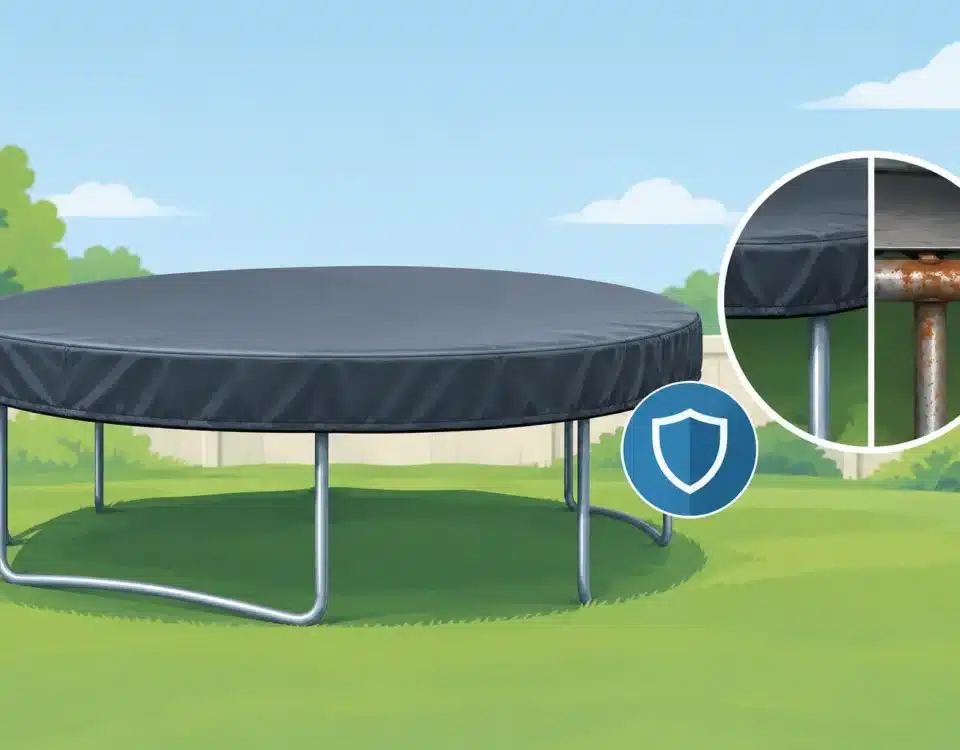
A trampoline is built for outdoor family fun, but weather protection is still worthwhile. Leaves, standing water, snow, branches, and prolonged sun exposure can all create extra cleaning or wear. A properly fitted weather cover can help keep debris off the jumping surface and make seasonal upkeep easier.
Regular care does not need to be complicated. Keep the trampoline area clear, brush away debris, and check that drainage remains open. Follow the manufacturer’s guidance for seasonal care and for any accessories used with your system. In regions with severe winter conditions, a little preparation before the weather changes can save time when spring arrives.
The surrounding landscape matters as well. Avoid placing thorny shrubs close to the enclosure, and keep lawn equipment, toys, and hard objects away from the jumping area. Families often find that a simple path, mulch border, or low-maintenance planting plan helps the trampoline feel integrated while making access cleaner and easier.
Make the Right Choice for the Years Ahead
The right Capital Play trampoline is the one that fits your yard today and still serves your family as children get bigger, friends come over, and outdoor routines change. A smaller model may be ideal for a compact yard and younger children. A larger round or rectangular system may be the better long-term value for a highly active household with room to grow.
When you are comparing options, focus on the full picture: shape, usable jumping area, enclosure, installation needs, weather protection, and the quality of the materials supporting years of play. Lets Buy Trampolines can help homeowners think through those decisions before they commit to an in-ground project.
A thoughtfully chosen trampoline gives kids a reason to head outside, gives parents a backyard feature they can feel good about, and gives the whole family another place to make ordinary afternoons more memorable.