

In Ground Trampoline Safety Enclosure Guide
July 21, 2026
Round vs Rectangular In-Ground Trampolines
July 23, 2026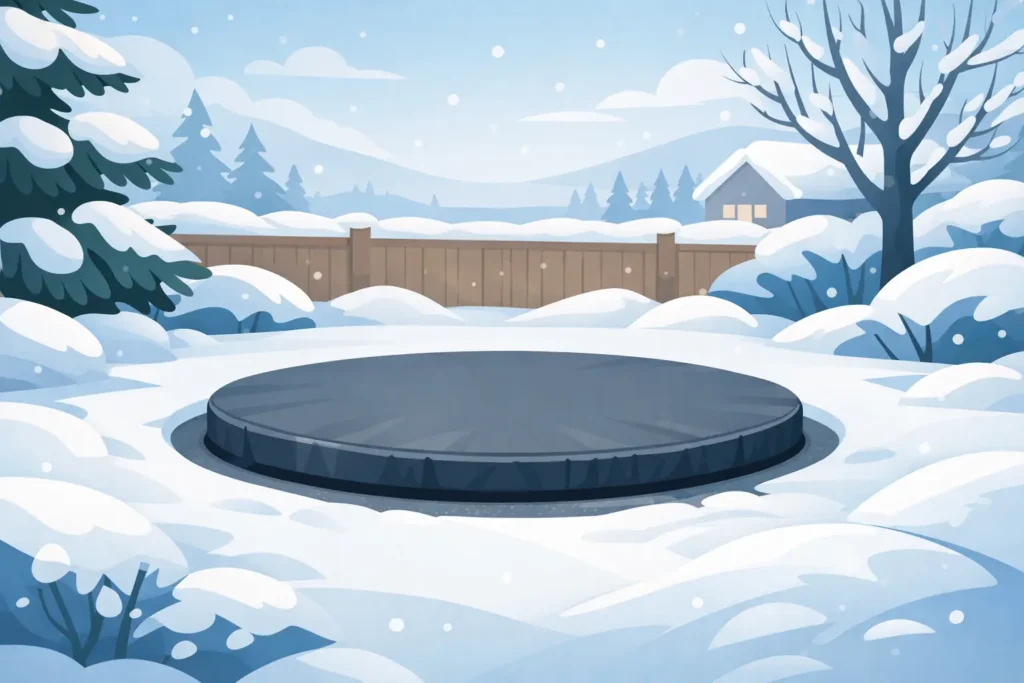
A premium in-ground trampoline is designed to become part of your backyard, not something you replace after a few hard seasons. The best cover for an in-ground trampoline protects that investment from leaves, UV exposure, rain, debris, and winter weather without creating a new safety or drainage problem. The right choice is rarely a one-size-fits-all tarp. It should match your trampoline’s shape, size, installation design, and the weather your family sees most often.
For families who have chosen a low-profile trampoline for safer, more attractive backyard play, a quality cover is a practical finishing touch. It helps keep the jumping area cleaner, cuts down on seasonal cleanup, and supports the long-term condition of the mat, springs, frame, and pads.
What Makes the Best Cover for an In-Ground Trampoline?
Start with fit. A cover made for your exact trampoline model will perform better than a loose universal cover because it follows the perimeter correctly and has attachment points where they belong. A round 10-foot trampoline needs a different cover than a 12-foot or 14-foot model, and a rectangular 10-foot by 6-foot trampoline needs a completely different profile than an 11-foot by 8-foot system.
This is particularly important with in-ground installations. Your trampoline sits near ground level, where blowing leaves, lawn clippings, mulch, and rainwater naturally collect. A poorly fitted cover can sag into the jumping surface, tear at the edges, or leave openings for debris. It can also catch wind like a sail, putting unnecessary strain on the cover and its fasteners.
Material matters just as much. Look for a heavy-duty, UV-resistant outdoor fabric built to handle repeated exposure to sun and moisture. Premium covers should resist fading and tearing while remaining flexible enough to install and remove without a struggle. Reinforced edges and durable fastening hardware are worth paying for, especially in regions with windy fall weather, frequent storms, or long winters.
A cover should also be designed with water management in mind. An in-ground trampoline excavation needs proper drainage below and around the unit. Your cover should support that system, not turn the trampoline into a shallow pool after every storm. Covers that allow water to shed or drain appropriately are usually a better choice than solid flat materials that trap standing water.
Choose a Cover for the Season You Are Managing
There is no single cover that is perfect for every weather condition and every homeowner. The best option depends on whether you need everyday debris protection, short-term rain protection, or a seasonal winter cover.
Everyday debris covers
An everyday cover is useful when the trampoline will sit unused for a few days or weeks. It keeps out leaves, twigs, acorns, grass clippings, and other debris that can stain the mat or make the next jumping session less inviting. It is especially helpful under mature trees or in yards that see heavy leaf drop in the fall.
For an active family, convenience counts. If a cover is difficult to stretch, secure, and remove, it may spend more time in storage than on the trampoline. Choose a model-specific option that one adult can manage confidently. Remove it fully before anyone jumps, and store it nearby once the kids are ready to play.
Rain and storm protection
A trampoline cover can help keep rain-borne debris off the surface, but it is not a substitute for proper drainage. Before relying on a cover during wet weather, make sure your in-ground installation has a clear path for water to move away from the trampoline pit. Good drainage protects the excavation, helps prevent standing water, and reduces the chance of a muddy, unusable jumping area.
Never assume a tightly stretched solid cover will solve a drainage issue. Water is heavy. Even a modest amount of collected rainfall can pull a cover down, stress attachment points, and create a hazardous pool of water. After a major storm, check the cover before children go outside and remove pooled water carefully if your cover design allows it.
Winter covers
For homeowners in snowy or freezing climates, winter protection deserves extra attention. A durable seasonal cover can help keep leaves, dirt, and ice-prone debris out while the trampoline is not in use. However, no cover should be expected to carry deep, wet snow for weeks at a time unless the manufacturer specifically states that it is designed for that load.
Heavy snow loads can strain the cover, the enclosure system, and the trampoline itself. If snow accumulates, use a soft broom to clear it gently from a safe position around the trampoline. Avoid sharp tools, and never stand or walk on a covered trampoline. If local winters are severe, follow the cover and trampoline manufacturer’s storage guidance rather than relying on a generic winter routine.
Why a Generic Tarp Is Usually the Wrong Choice
A blue tarp may look like a budget-friendly answer, but it often creates more work around an in-ground trampoline. Tarps are not shaped for the frame, springs, pad system, or enclosure components of a premium trampoline. They can flap in the wind, rub against surfaces, trap water, and tear at grommets when secured too tightly.
They also do little to improve the appearance of a backyard designed around a clean, integrated trampoline installation. A fitted cover looks intentional, stays more secure, and is far easier to use when the weather changes quickly.
The exception is short-term emergency protection, such as covering equipment during a repair or an unexpected construction project. Even then, remove the tarp as soon as possible and do not let water or snow build up on top of it.
Match the Cover to Your Trampoline Setup
Before purchasing, confirm your trampoline’s brand, model, shape, and finished dimensions. Measure the outer perimeter you need covered, not just the jumping mat. If you have an enclosure, ask whether the cover is intended to fit with the enclosure in place or whether it requires seasonal removal or adjustment.
Also consider your landscape. An in-ground trampoline surrounded by turf has different debris concerns than one bordered by pavers, mulch beds, or trees. If your yard gets strong sun, prioritize UV resistance. If your property is exposed to wind, look for secure straps or fastening points designed for your system. If you live where rain is frequent, make drainage your first question rather than an afterthought.
At Lets Buy Trampolines, the strongest approach is to select a cover that is compatible with the specific premium in-ground trampoline you are installing. That protects the fit, preserves the clean look of the backyard, and gives you clearer guidance on seasonal use and care.
A Cover Is Protection, Not a Safety Barrier
Even the best weather cover is not a replacement for adult supervision, a safety enclosure, or clear family trampoline rules. A covered trampoline can attract curious children because it looks different or feels like a tempting play surface. Keep the area supervised, remove the cover before use, and make sure children understand they should never climb, sit, or jump on it.
Inspect the cover each time you use it. Check for tears, weakened straps, loose fasteners, and areas where water collects. While the cover is off, take a moment to inspect the safety pads, mat, enclosure, and visible frame components as well. Small maintenance checks protect a major backyard investment and help keep family play safer.
A well-fitted, weather-ready cover gives your trampoline a better chance to look great and perform well season after season. Choose one built for your exact system, respect its limits during rain and snow, and you will spend less time clearing debris and more time enjoying the backyard you created for your family.