

Trampoline Weather Protection for Every Season
September 10, 2026
Why Choose an Inground Trampoline for Your Yard?
September 14, 2026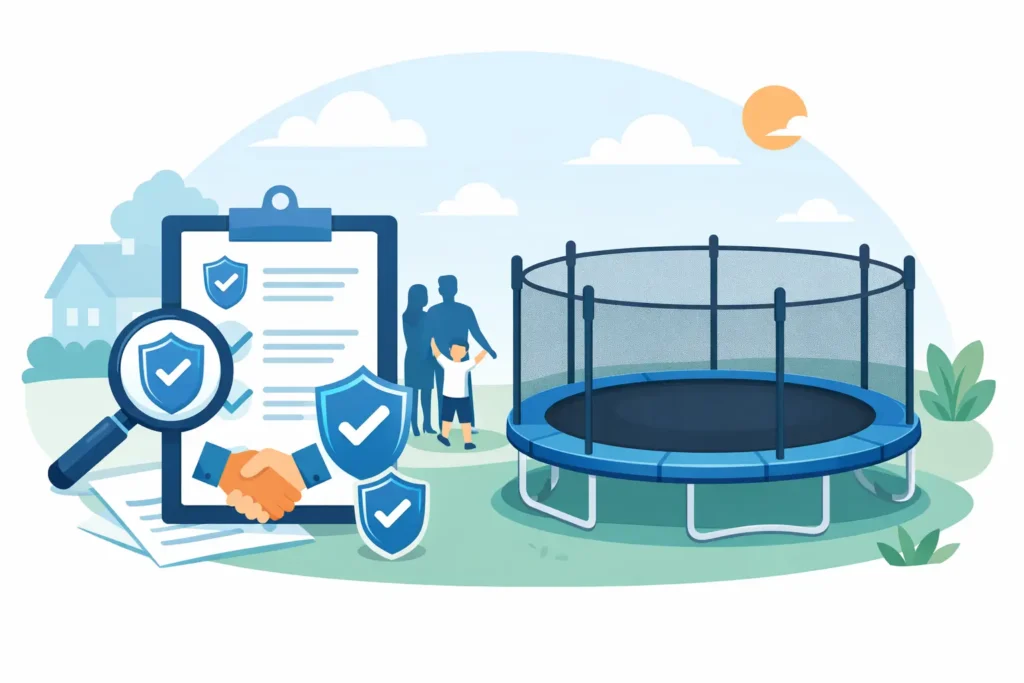
A premium in-ground trampoline is built for years of jumping, backyard workouts, and the kind of afternoons your kids will remember. That long-term value makes the warranty more than fine print. This trampoline warranty guide explains what families should look for before buying, what can affect a claim, and how simple care helps protect your investment.
Why a Trampoline Warranty Matters
A warranty is a manufacturer’s written promise about specific product components and workmanship. It is not a guarantee that every part will be replaced forever, and it is not a substitute for safe use, proper installation, or routine maintenance. Still, on a high-quality trampoline, strong coverage is a meaningful sign that the manufacturer stands behind the materials used to build it.
For an in-ground system, that matters even more. Your trampoline becomes part of your landscape, with excavation, drainage planning, and installation all contributing to its performance. Choosing a model with a clear, substantial warranty can help you buy with greater confidence, especially when you are comparing premium frames, jump mats, springs, safety systems, and weather protection.
The best warranty is not always the one with the biggest number printed next to it. A long frame warranty is valuable, but so is clear coverage for the parts that experience regular use and exposure. Read the details before you make a decision.
What a Trampoline Warranty Usually Covers
Warranty terms vary by manufacturer, model, and component, so always review the written warranty for the exact trampoline you are considering. In general, coverage may address defects in materials or workmanship that occur under normal residential use.
Frame coverage
The frame is the foundation of the system. Premium in-ground trampolines typically use galvanized, rust-resistant steel designed to handle outdoor conditions over time. Frame coverage may protect against manufacturing defects, premature structural failure, or issues related to materials when the trampoline has been installed and used according to the manufacturer’s instructions.
A frame warranty does not usually mean corrosion, impact damage, movement caused by poor site preparation, or damage from extreme weather will automatically be covered. That distinction is especially relevant for homeowners near the coast, in snowy climates, or in regions with severe storms.
Mat, springs, and jumping components
The jump mat, springs, spring pads, and related jumping components work hard every time someone uses the trampoline. Their warranties are often shorter than frame warranties because these parts are subject to movement, friction, sunlight, moisture, and regular wear.
That does not make shorter coverage a red flag. It reflects the reality that these are active components. Instead, look for commercial-grade materials, UV-resistant construction, strong stitching, and a design that keeps jumpers protected from the frame and spring area. Quality construction paired with sensible maintenance is the better measure of long-term value.
Safety enclosure and padding coverage
A safety enclosure is one of the most important features for family use. Coverage may apply to enclosure poles, netting, hardware, foam, or protective padding, but terms can differ from the main trampoline warranty. Since netting and pads spend every season outdoors, inspect them regularly for fading, tears, loose connections, and signs of deterioration.
If a safety component becomes damaged, stop using the trampoline until it is repaired or replaced. A warranty may help with a qualifying defect, but immediate family safety should always come first.
The Fine Print Families Should Read Before Buying
A warranty document is easier to understand when you know the questions that matter. Before choosing a trampoline, confirm who provides the coverage, how long each component is covered, and whether the stated period starts on the purchase date or another date specified by the manufacturer.
Also look at whether the warranty applies only to the original purchaser. Most residential warranties are non-transferable, which means they may not carry over if you sell the home and leave the trampoline behind. If your backyard project is part of a future home sale plan, that is useful information to have early.
Pay attention to the remedy as well. Some warranties provide replacement parts, while others may offer repair, replacement, or another solution at the manufacturer’s discretion. Shipping, labor, excavation, reinstallation, and removal of damaged parts may not be included. For an in-ground trampoline, those costs can matter because accessing a component may require more planning than it would for an above-ground model.
Finally, check the claim process. You may need an order number, photos, proof of purchase, a description of the issue, and evidence that the trampoline was installed according to instructions. Keeping those records from day one makes the process much easier if you ever need support.
What Can Void or Limit Your Coverage
Every warranty has exclusions. They are not there to make ownership difficult. They define the difference between a product defect and damage caused by installation conditions, weather, misuse, lack of care, or unauthorized changes.
Common situations that can limit coverage include improper assembly, incorrect in-ground installation, inadequate drainage, altering the frame, using non-approved replacement parts, exceeding user or weight guidelines, and commercial use of a residential product. Damage related to wind, flooding, falling branches, fire, animals, or other outside events may also fall outside standard warranty coverage.
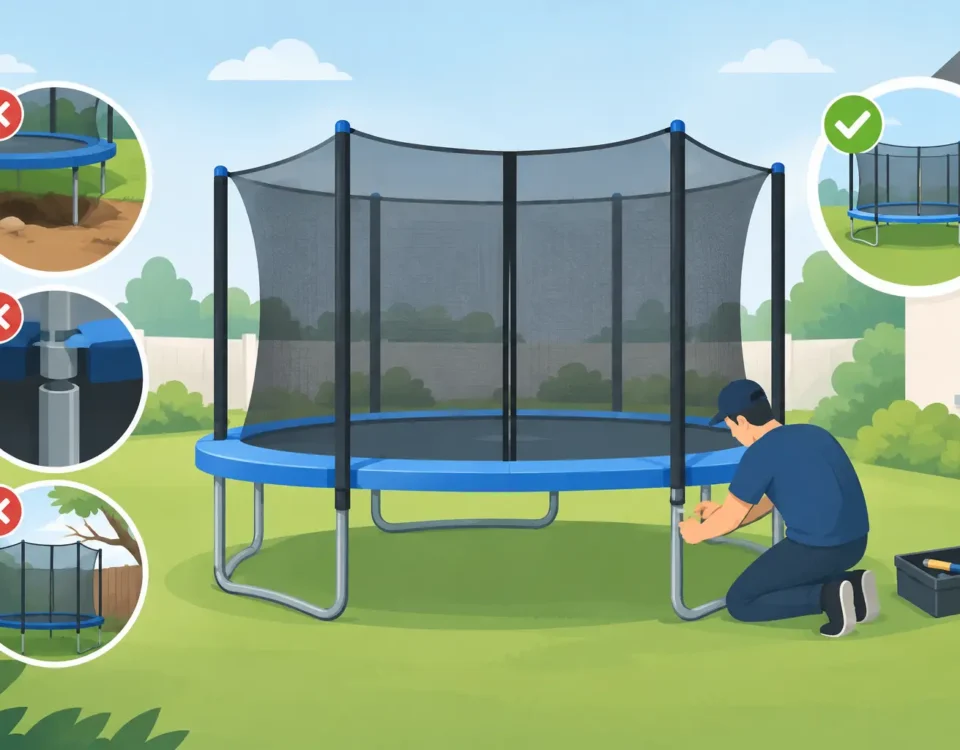
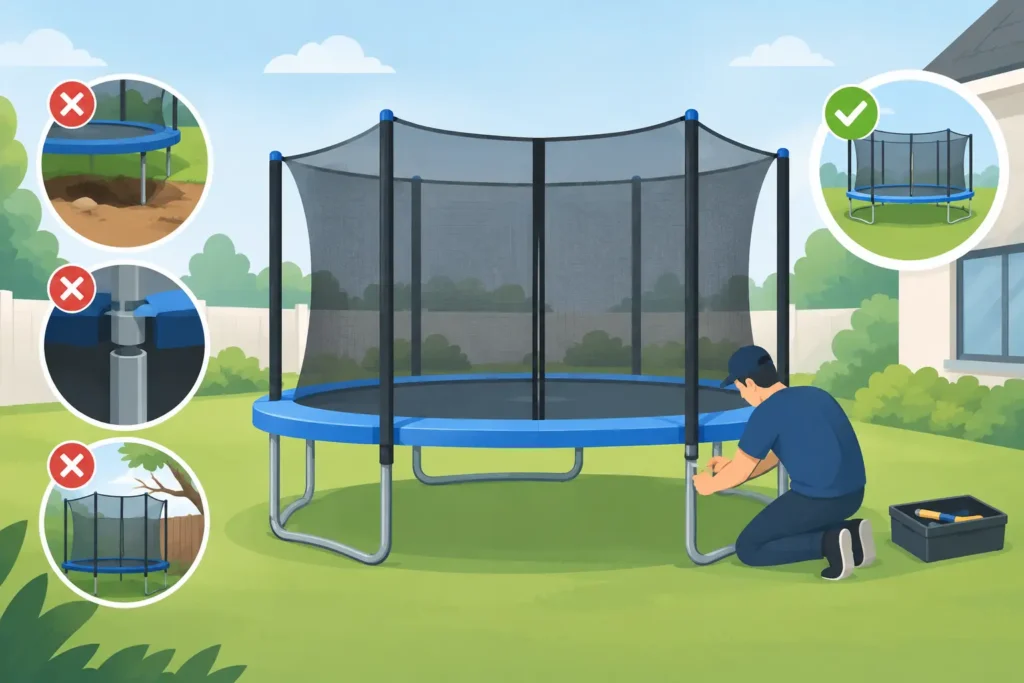
In-ground installation deserves special attention. A trampoline pit needs appropriate drainage and airflow so moisture does not remain trapped around the system. Standing water, shifting soil, and poor excavation can create problems that no product warranty was designed to solve. Follow the installation instructions closely and, when the job calls for it, work with qualified excavation or landscaping professionals.
The same goes for safety rules. One jumper at a time, active adult supervision for younger children, and no flips unless the jumper has proper training are sensible practices that protect people first. They also support the normal-use conditions behind most warranty terms.
Protecting Your Trampoline Investment Year After Year
A warranty is your backup plan. Ongoing care is how you help the trampoline stay ready for daily family fun. Set a simple inspection routine at the beginning of each season and after major weather events.
Walk around the trampoline and look for loose hardware, bent metal, worn padding, damaged netting, frayed stitching, exposed springs, and changes in the ground around the installation. Check that drainage is working as intended and remove leaves, mulch, toys, and other debris from the jumping area and pit. Small issues are far easier to correct before they become a larger repair.
A properly fitted weather cover can also be a smart addition when the trampoline is not in use. It helps keep debris out and can reduce unnecessary exposure, though it should be used according to the product instructions. In areas with heavy snow, high winds, or harsh seasonal conditions, follow the manufacturer’s specific storage and weather guidance rather than assuming every component should remain installed year-round.
Keep your original order confirmation, warranty documents, installation instructions, and photos of the completed installation in one folder. Take a few photos when the trampoline is new, including the frame, enclosure, and surrounding drainage area. If you later need to describe an issue, those records can show how the system was set up and maintained.
Comparing Warranties When Choosing an In-Ground Trampoline
When you compare models, resist the urge to focus on warranty length alone. A lower-priced trampoline can advertise an impressive number of years on one part while offering less protection, weaker materials, or a less complete safety design elsewhere. Your family will feel the difference in the whole system, not just a single line in the warranty.
Compare the frame material, protective padding, enclosure design, intended use, size options, replacement-part availability, and installation requirements alongside the coverage. A 10-foot round trampoline may be a great fit for a compact yard and younger jumpers, while a 12-foot or 14-foot round model can give an active family more room. Rectangular options may suit specific landscape layouts or jump styles. In every case, leave enough clear space around the system and choose a design that fits your yard instead of forcing a larger trampoline into a tight area.
At Lets Buy Trampolines, the goal is to help families choose premium in-ground equipment that matches their space, activity level, and long-term plans. Ask questions before you buy, particularly if your yard has slopes, drainage concerns, limited access for excavation, or challenging weather conditions.
A well-chosen trampoline warranty gives you clarity when something unexpected happens. Pair it with quality materials, a safety-first installation, and a few minutes of seasonal care, and your backyard can stay ready for the next jump, game, and family memory.